Keramische Kugeln
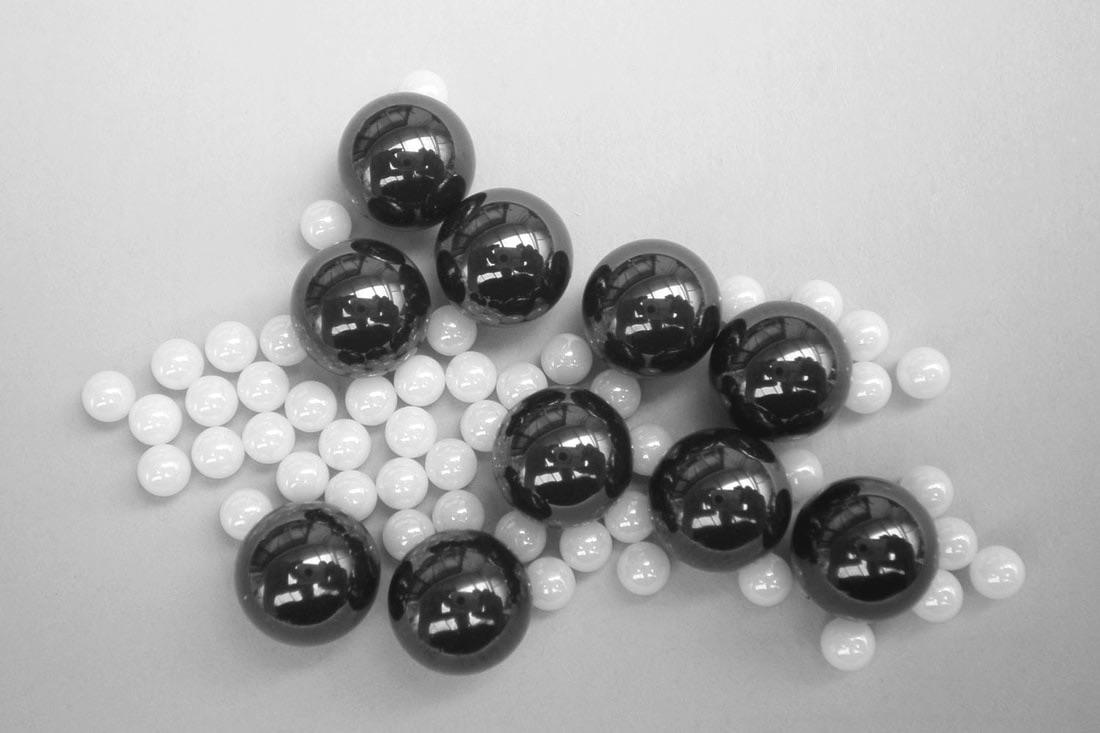
Hochleistungskugeln aus technischer Keramik sind der Schlüssel zu sogenannten Hybridlagern, die herkömmliche Stahllager in puncto Drehzahl und Lebensdauer weit übertreffen. Aufgrund ihres geringen Gewichts reduzieren sie die Fliehkraft und das Rutschen der Kugeln (Slippage) bei schnellen Anläufen, was den Verschleiß massiv senkt. Die extreme Oberflächenglätte und Härte sorgen für minimale Reibungsverluste und verhindern das gefürchtete Verschweißen mit den stählernen Laufringen. Zudem sind Keramikkugeln elektrisch isolierend, was sie zum unverzichtbaren Standard in modernen Elektromotoren macht, um Funkenerosion zu vermeiden. Ihre thermische Unempfindlichkeit und chemische Resistenz garantieren auch unter schwierigsten Bedingungen maximale Ausfallsicherheit. Ob in der Medizintechnik, im Rennsport oder in Hochfrequenzspindeln – Keramikkugeln definieren die Grenzen der Rotation neu.
Kugelabmessungen: ab Durchmesser 1,0 mm bis ca. 50,0 mm
Bestehend aus den Werkstoffen :Siliziumnitrid (Si3N4) ; Zirkonoxid (ZrO2) ; Siliziumkarbid (SiC) ; Aluminiumoxid (Al2O3)
Keramische Rollen
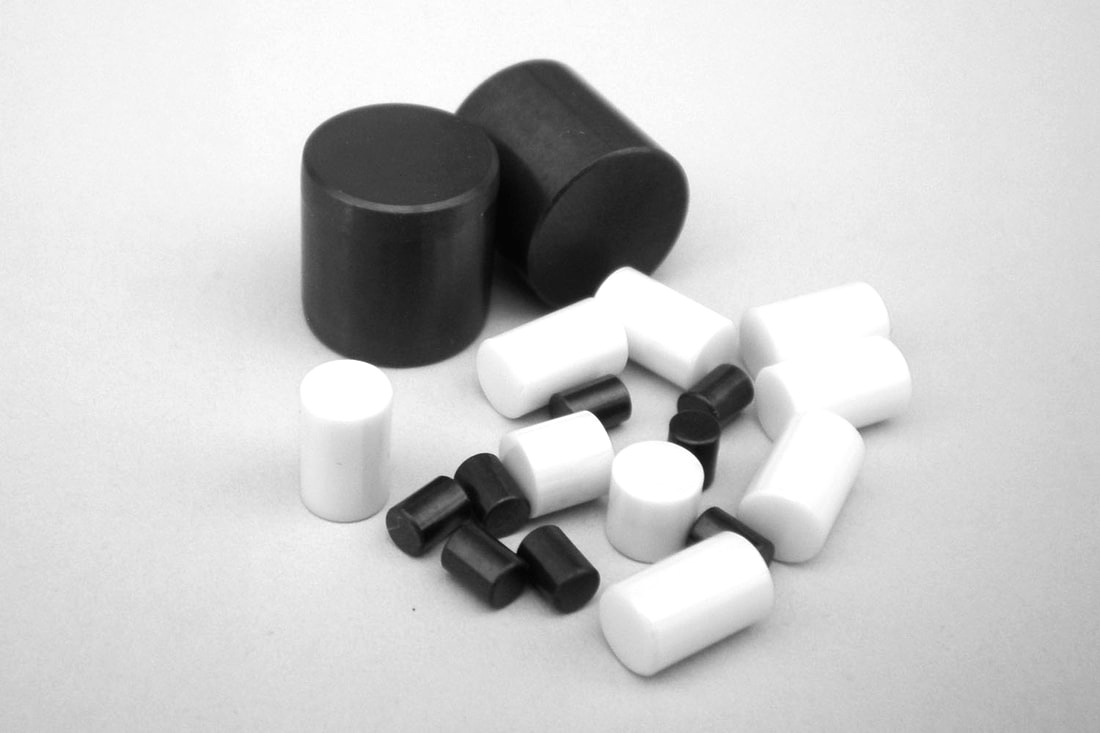
Wälzlager-Rollenkörper aus technischer Keramik (meist Siliziumnitrid) ersetzen zunehmend klassische Stahlrollen, um die Leistung rotierender Maschinen zu steigern. Durch ihre spezifischen Materialeigenschaften – geringere Dichte, extreme Härte und elektrische Isolationsfähigkeit – verändern sie das dynamische Verhalten des Lagers grundlegend.
Die wesentlichen Vorteile liegen in der drastischen Reduzierung der Fliehkräfte bei hohen Drehzahlen, der Vermeidung von Kaltverschweißungen (Fressen) und dem Schutz vor elektrischer Erosion. Zudem ermöglichen sie durch ihre thermische Stabilität den Betrieb unter Bedingungen, bei denen Stahlrollen bereits ihre Festigkeit verlieren würden. Ihre präzise gefertigte Oberfläche minimiert Reibungsverluste und sorgt für eine signifikant verlängerte Lebensdauer der Lagerung.
Rollenabmessungen: ab Durchmesser 3,0 mm bis ca. 20,0 mm.
Bestehend aus den Werkstoffen : Siliziumnitrid (Si3N4) ; Zirkonoxid (ZrO2).